
SunHeat Solar
Home Solar Guide: Planning a Residential Solar System
Home/Resources/Home Solar Guide: Planning a Residential Solar System

Home Solar Guide: Planning a Residential Solar System

A practical guide to planning, sizing, and installing a reliable residential solar energy system.

Key Planning Takeaways

What is a residential solar system?

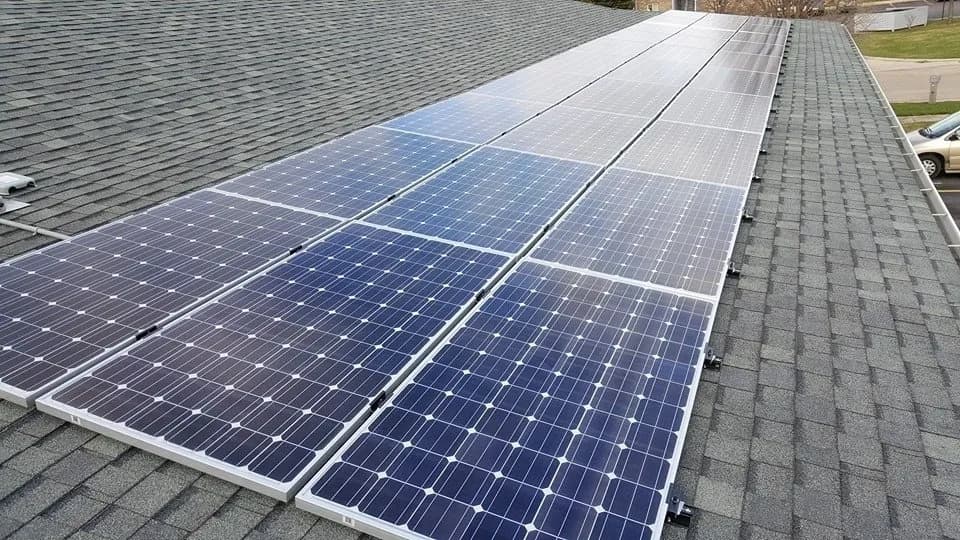
A residential solar system consists of roof-mounted or ground-mounted photovoltaic panels that convert sunlight into direct current (DC) electricity, which an inverter converts into usable alternating current (AC) for your household.

When your panels generate electricity, your home uses that power first, reducing the electricity you draw from the utility grid.

What factors determine how many solar panels a home needs?

System size is determined primarily by your household's annual electricity consumption (measured in kilowatt-hours) and the available unshaded roof space that receives direct sunlight.

A contractor reviews your past 12 months of electric bills to understand seasonal spikes (such as summer air conditioning) and designs an array to offset an appropriate percentage of that demand.

What happens if a home's electrical panel is older?

Solar systems connect directly into your main electrical service panel, which must have sufficient busbar capacity and breaker space to safely accommodate solar backfeed.

If an older service panel lacks capacity or uses outdated breaker technology, a service panel upgrade or subpanel installation may be recommended during project planning.

Evaluating Your Home's Roof for Solar

A comprehensive roof inspection is the first technical step in residential solar planning. The structural integrity of rafters and decking must be verified to confirm they can safely support the additional weight of racking and photovoltaic modules.

Roof orientation and slope significantly affect daily energy capture. While south-facing roofs receive the most direct midday sunlight, west-facing roofs are also valuable because they produce energy during late afternoon peak electricity demand hours.

The condition and material of your roofing surface are equally important. Standard asphalt shingles, standing seam metal, and concrete tiles can all support solar, provided specialized watertight flashing hardware is used to prevent leaks.

Key Considerations

  • Ensure your roof has at least 10–15 years of remaining service life before installing solar.
  • South and west roof orientations capture the most productive solar irradiance.
  • Engineered flashing and mounting hardware ensure long-term roof weatherproofing.

Inverter Technology: String Inverters vs. Microinverters

Inverters are the brains of a solar energy system, converting raw DC power generated by the panels into AC power synchronized with your home electrical circuits.

In a traditional string inverter system, multiple panels are wired together in a series. If one panel in the string experiences partial shading, the output of the entire string can be reduced.

Systems equipped with module-level power electronics—such as microinverters or DC power optimizers attached beneath each panel—allow each module to operate independently. This architecture is especially beneficial on roofs with multiple planes, dormers, or partial tree shading.

Planning for Future Household Energy Needs

When sizing a home solar system, it is wise to consider upcoming lifestyle changes that could increase your electric consumption.

Common additions that increase household electrical demand include purchasing an electric vehicle, installing a heat pump heating and cooling system, adding a swimming pool or hot tub, or transitioning from gas to electric appliances.

Discussing these future plans during the initial design phase allows your contractor to size your inverter or conduit pathways to accommodate future array expansion or battery integration.

Frequently Asked Questions

Direct, transparent answers regarding solar planning and system engineering.

Evaluate Solar for Your Property

Connect with SunHeat Solar Inc. for an honest property assessment, roof review, and personalized quote in Batavia and surrounding northern Illinois communities.

SunHeat Solar Inc. • 336 McKee St E, Batavia, IL 60510 • info@sunheatsolar.com