
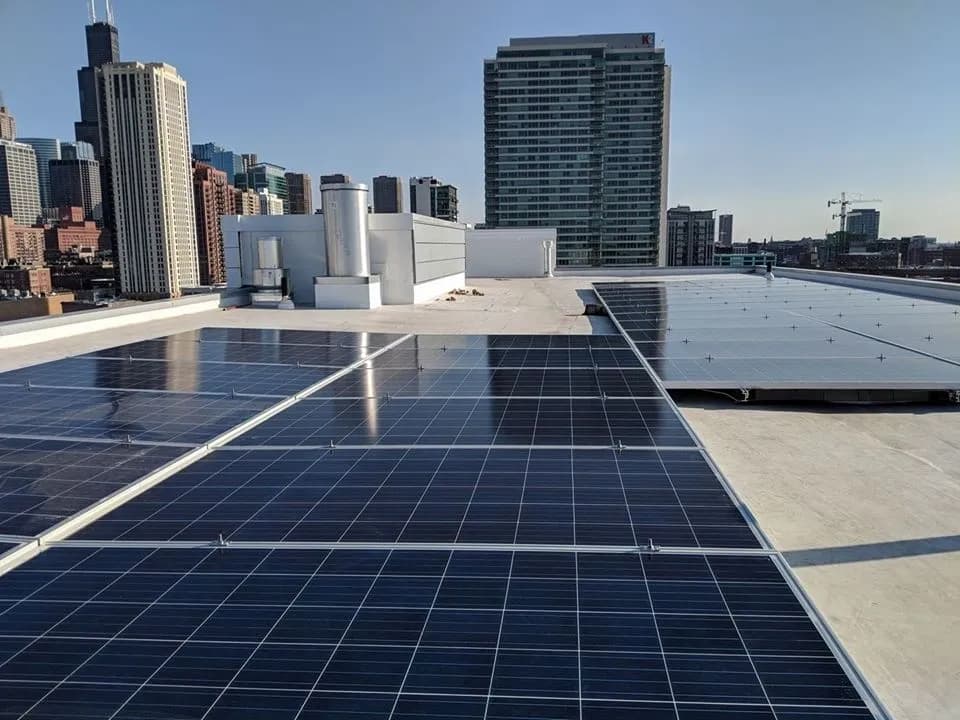
Residential Solar Roof Installation
Practical, custom-engineered rooftop solar solutions for homeowners in Batavia, IL and surrounding Fox Valley communities.
Harnessing Solar Energy on Your Home’s Roof
Residential solar systems use photovoltaic (PV) panels mounted directly onto your roof structure to capture sunlight and convert it into direct current (DC) electricity. An inverter converts this power into alternating current (AC) electricity, making it usable by ordinary household appliances and electronics.
Because every home in Northern Illinois has a distinct roof shape, orientation, and electrical setup, a residential solar installation is not a one-size-fits-all product. An effective system is configured to harmonize with your home’s architecture while generating clean power tailored to your family’s routine electricity demands.
Is a Solar Roof Right for Your Property?
Evaluating whether a home is a good candidate for rooftop solar involves reviewing physical and electrical characteristics before moving forward.
Roof Condition & Age
Solar equipment is designed to remain in place for decades. Inspecting roof integrity and shingles ensures the roof structure can support the installation long-term.
Orientation & Shading
South-, east-, and west-facing planes receive favorable sunlight. Nearby trees, dormers, and neighboring buildings are reviewed to gauge seasonal shading.
Electrical Service
A home's main electrical panel and service entrance must safely accommodate the additional generation capacity or may require a standard service review.
Permitting & Utility
Each municipality in Illinois maintains specific building codes and utility interconnection guidelines that must be reviewed during property evaluation.
The Residential Installation Process
A structured approach helps ensure your home solar installation complies with local building requirements and utility standards.
Property & Bill Review
Review your recent electricity usage, roof layout, and energy goals to determine initial feasibility and appropriate system sizing.
Site Design & Engineering
An engineered plan is prepared specifying panel placement, structural attachments, electrical disconnects, and inverter routing.
Permitting & Approvals
Documentation is coordinated with your municipal building department and local utility provider for electrical and building permits.
Professional Installation
Racking hardware is securely fastened to structural roof rafters, panels are mounted, and all electrical connections are completed.
Inspection & Interconnection
Municipal inspectors verify code compliance before the utility provider issues formal Permission to Operate (PTO).
System Activation
The system is turned on, and you are shown how to verify normal daily operation and monitor energy generation.
What Influences Solar System Sizing?
System size is determined by several interrelated considerations rather than simple square footage:
- Historical Energy Consumption: Seasonal electricity use measured in kilowatt-hours (kWh) across summer cooling and winter months.
- Continuous Roof Space: Usable surface area free from skylights, roof vents, dormers, and required firefighter access setbacks.
- Future Energy Additions: Plans for electric vehicles, heat pumps, or home additions that may increase future electricity demand.
Why Property Owners Install Solar
Homeowners explore residential rooftop solar for diverse practical and environmental reasons:
- Local Power Generation: Producing electricity directly on-site from available sunshine to meet daily home energy demands.
- Maximizing Property Assets: Utilizing otherwise unused roof space for clean electricity production.
- Electrification Compatibility: Laying the energy foundation to support home battery backup systems and residential EV charging.
Explore Residential Solar Services
Explore other residential clean energy solutions that can be paired with your rooftop solar array.
Home Battery Backup
Store surplus daytime solar electricity to supply power during utility outages and manage evening energy needs.
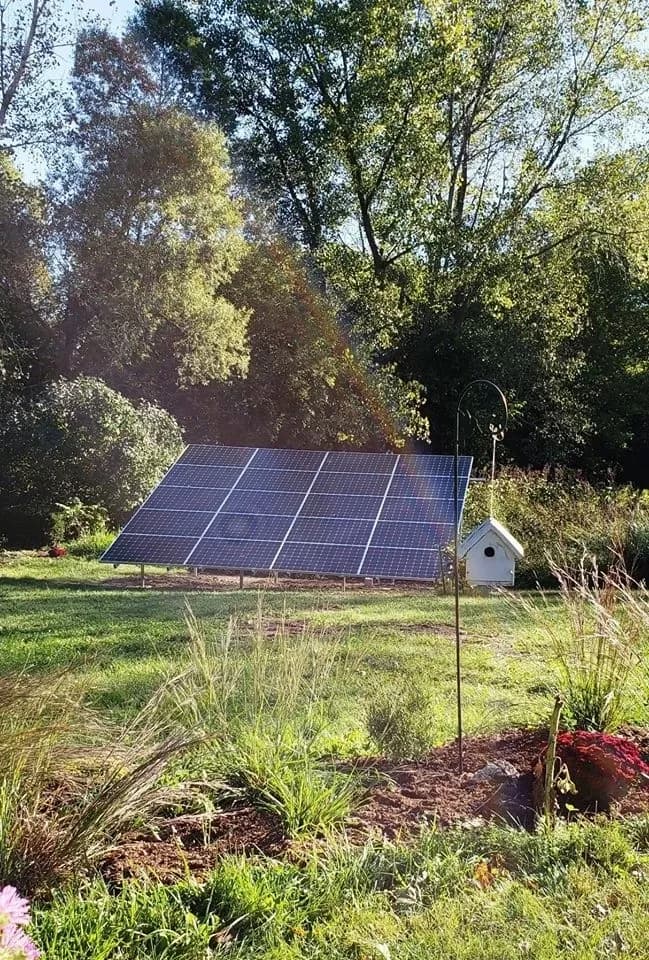
Ground Mount Solar
An alternative solar option for homes with ample land, shaded roofs, or distinctive property layouts.
Home EV Charging
Integrate a dedicated home electric vehicle charging station with your residential solar energy system.
Serving Batavia & Surrounding Fox Valley Communities
SunHeat Solar is based at 336 McKee St E, Batavia, IL 60510. We provide residential solar consultations and installations across Batavia, Geneva, Aurora, North Aurora, Wheaton, St. Charles, Naperville, and neighboring Northern Illinois communities.
View all service areas and communitiesResidential Solar FAQs
Helpful answers to frequent questions about installing rooftop solar on Illinois homes.
Residential Solar Planning Guides
Learn more about solar panel selection, Illinois net metering policies, and roof suitability before starting your installation.
Illinois Solar Guide: What Homeowners and Businesses Should Know
Yes. Illinois properties receive sufficient annual sunlight to generate practical solar electricity, with modern photovoltaic systems operating effectively across all four seasons.
Home Solar Guide: Planning a Residential Solar System
A residential solar system consists of roof-mounted or ground-mounted photovoltaic panels that convert sunlight into direct current (DC) electricity, which an inverter converts into usable alternating current (AC) for your household.
Rooftop vs. Ground-Mount Solar: Which Approach Fits Your Property?
Rooftop solar utilizes existing building roof surfaces using specialized racking hardware, while ground-mount solar is installed on dedicated ground-anchored racking in an open yard or parcel.
Ready to Evaluate Your Home for Solar?
Contact SunHeat Solar today to discuss your property, evaluate your energy usage, and request a personalized solar quote.