
SunHeat Solar
Rooftop vs. Ground-Mount Solar: Which Approach Fits Your Property?
Home/Resources/Rooftop vs. Ground-Mount Solar: Which Approach Fits Your Property?

Rooftop vs. Ground-Mount Solar: Which Approach Fits Your Property?

Understand the structural, site, and performance differences between rooftop and ground-mounted solar systems.

Key Planning Takeaways

What is the primary difference between rooftop and ground-mount solar?

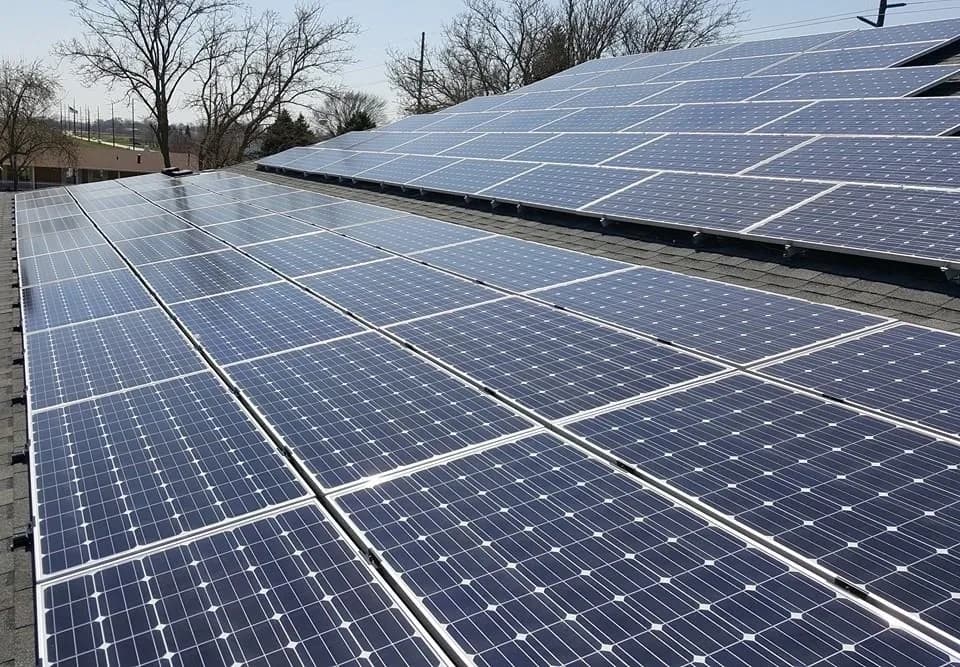
Rooftop solar utilizes existing building roof surfaces using specialized racking hardware, while ground-mount solar is installed on dedicated ground-anchored racking in an open yard or parcel.

Neither approach is universally superior; the ideal choice depends on roof orientation, shading, structural capacity, and available land area.

When does ground-mount solar make more sense than rooftop solar?

Ground mounts are advantageous when a roof has heavy tree shading, poor orientation, insufficient surface area, or structural limitations, and the property has suitable open acreage.

Because ground arrays are not constrained by building geometry, they can be oriented at the exact azimuth and tilt angle needed to maximize annual solar production.

Is rooftop solar generally more common for suburban residential properties?

Yes. Rooftop solar is the standard choice for most suburban homes because it uses existing roof area without occupying valuable lawn or yard space.

It also avoids the excavation, trenching, and concrete foundation pier work required for ground-mounted racking.

Side-by-Side Analysis

Rooftop Solar vs. Ground-Mount Solar Comparison

Objective property and technical factors to weigh when evaluating solar system placement.

Evaluation FactorRooftop SolarGround-Mount Solar
Available SpaceUses existing roof surface area; does not consume ground space.Requires suitable open, unshaded land area on the parcel.
Orientation & TiltFixed to the building's existing roof pitch and directional azimuth.Offers flexibility to position panels at optimal true-south angles.
Shading ImpactSubject to shading from adjacent mature trees, dormers, and chimneys.Can be placed in open clearings away from tree lines.
Roof ConditionRoof deck and shingles must have strong structural and remaining service life.Independent of roof age, material, or structural framing.
Site Work & TrenchingMinimal site disruption; wiring runs through conduit to the main panel.Requires underground conduit trenching and concrete pier or driven pile foundations.
Maintenance & Snow SheddingAccessible via ladder; snow melts and slides based on roof pitch.Easily accessible from ground level for visual inspection and snow clearing.
Zoning & SetbacksGenerally governed by standard rooftop building and electrical codes.Subject to municipal yard setback, height limit, and lot coverage rules.

When Rooftop Solar Is Usually the Best Fit

Rooftop solar installations represent the vast majority of residential clean energy projects across northern Illinois. For properties with standard lot sizes in suburban neighborhoods, the roof represents unused space that is already elevated above most ground-level obstructions.

If your roof has sound structural framing, asphalt shingles or metal roofing in good condition, and clear southern, western, or eastern exposure, rooftop solar provides a clean, self-contained installation that preserves your yard.

Installation costs are also typically more economical because the roof structure eliminates the need for geotechnical soil testing, concrete caissons, and long underground trenching runs.

When Ground-Mount Solar Is Worth Evaluating

Ground-mounted solar arrays are an outstanding alternative for rural properties, acreage parcels, and homes with complex architectural rooflines or heavy tree coverage directly over the house.

If your roof is shaded by mature heritage trees that you do not wish to remove, locating a ground-mounted array in a sunny pasture, side yard, or meadow allows you to capture full solar irradiance.

Furthermore, ground mounts can be sized generously without roof boundary limitations. They also allow technicians to set racking at the exact mathematical angle for optimal northern Illinois annual yield.

Local Permitting & Site Considerations in Northern Illinois

Municipal regulations vary between incorporated cities and unincorporated county areas. In suburban communities, municipal zoning ordinances may regulate ground mount visibility from public roads, minimum setback distances from property lines, and maximum height limits.

In unincorporated Kane, DuPage, or Kendall County areas, ground mounts are frequently permitted on parcels meeting minimum acreage thresholds.

Consulting an experienced local contractor ensures that underground utility locations (JULIE marking), soil conditions, and municipal zoning rules are properly reviewed before finalizing your design.

Frequently Asked Questions

Direct, transparent answers regarding solar planning and system engineering.

Evaluate Solar for Your Property

Connect with SunHeat Solar Inc. for an honest property assessment, roof review, and personalized quote in Batavia and surrounding northern Illinois communities.

SunHeat Solar Inc. • 336 McKee St E, Batavia, IL 60510 • info@sunheatsolar.com